The Health Risks of Abusing Heroin
ON THIS PAGE
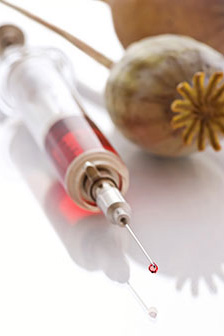
The serious health risks of abusing heroin should be known before anyone ever smokes, injects or snorts this drug. It may be thought that the only major risk associated with the abuse of heroin is the ever-present danger of overdose. But that would be incorrect.
The systems of the body that are damaged by heroin abuse include:
- Lungs
- Heart
- Brain
- Intestines
- Kidneys
There are also infections and other assaults that attack the entire body.
Around the world, more than 16 million people are abusing heroin or opium each year. They are risking injury or illness that can end their lives every time they use the drug.
The primary effects of heroin:
- Heroin users are looking for the rush of euphoria that occurs soon after heroin is smoked, snorted or injected.
- The user will also feel relaxed and drowsy, and may nod off.
- The heart and breathing slow down.
- One’s problems seem far away.
- The user may also be nauseated, may vomit and experience itching.

Get the information about Heroin that may help you prevent a disaster for your or your loved one.
DOWNLOAD NOWWhen a person has become very accustomed to heroin abuse, and especially when addiction has robbed him (or her) of the means to maintain a lavish drug habit, the little bit of heroin that can be obtained will not bring a rush. It will only help the person stop feeling dope sick - in other words, stop the agitation, anxiety and muscle aches that will start as soon as the last dose of heroin begins to wear off.
What those starting to abuse heroin don’t know is all the ways that heroin is going to rob them of their health, strength and mental ability. This is in addition to the many losses that will be suffered to morals, emotions, relationships, finances and every other part of one’s life.
If you know someone who is abusing drugs, share this information with them before they can be trapped in a deadly addiction to heroin.
In the next part of this report, we will explain the ways that heroin damages the different parts of one’s body.
Lungs
Heroin slows down the function of the lungs, which is normally the way an overdose kills a person. In fact, a person may stop breathing before the heart stops beating.
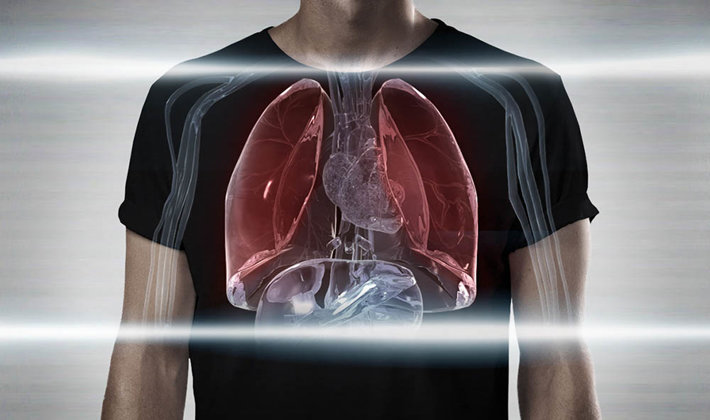
If a person is sent to a hospital with an overdose, the overdose may not kill him but the fact that his lungs have filled up with fluid might. According to one report published by the National Institutes of Health, edema of the lungs killed 15% of those admitted to the hospital for heroin overdoses.
Because of its profound effect on the lungs, lung diseases among heroin users are not unusual. Lung abscesses, pneumonia, tuberculosis and widened, flabby, scarred air passages are found in heroin abusers. The pain-deadening effect of heroin can enable a person to be very ill and not know it.
Empyema is also a risk - this is a buildup of pus in the space between the lung and the chest wall. The pus must be drained off and antibiotics must be administered. A person suffering from empyema will have a cough, chest pain, fever and shortness of breath.
The contaminants in heroin introduce small particles into the bloodstream. When they reach the lungs, they can clog the tiny blood vessels that would otherwise absorb oxygen from the lungs. There can also be reactions to these contaminants by the person’s own immune system that cause arthritis or stiffness and pain in the joints.
Injecting drug users may make their problems worse by filtering their dissolved heroin through a small piece of cotton. Bacteria in the cotton, either there at the time of harvest or that grows there as the piece of cotton is used repeatedly, is introduced into the body, causing serious infections in lungs and heart. Some people think that small bits of cotton that migrate into the drug mixture cause severe fevers but most medical experts now think that it is bacteria that cause the problems.
Heart
The heart of a heroin user really takes a beating. The bacteria in heroin, from cotton or from unsterile needles often attack the heart tissues, resulting in tissue death. This type of infection is called endocarditis.
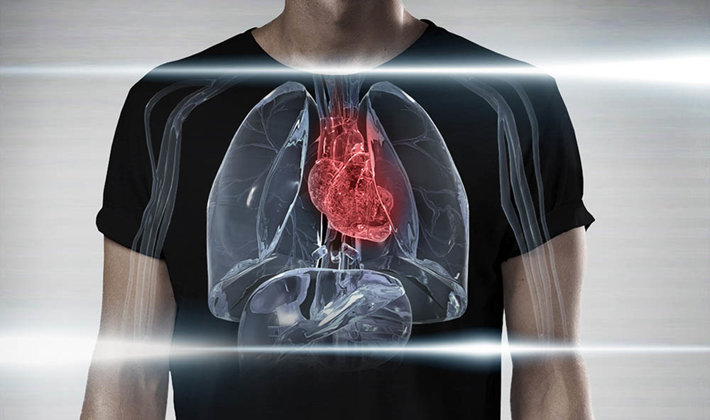
Autopsies sometimes show clumps of bacteria growing on the valves of the heart. It is difficult for the body to reach and fight bacteria in these locations. Therefore, heart valves are sometimes destroyed by these infections and must be replaced with artificial valves to save the life of the drug user.
There are other ways that heroin abuse damages or destroys the heart. In a case history published by the National Institutes of Health, a 32-year-old woman injected a gram of heroin that had Rohypnol added to it. The contaminants in the heroin, thought to be talc, caused so much blockage in her lungs that the blood could not pass through the capillaries. She suffered heart failure and had to be hospitalized.
Autopsies of heroin addicts were carried out to find out why so many heroin users suffer irregular heartbeats. In half of them, the electrical controls of the heart had been replaced by fatty or fibrous tissue. More than half showed inflammation in the same area.
Extremities:
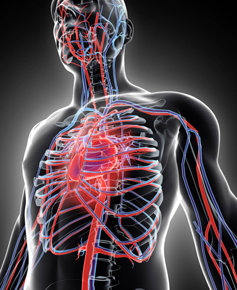
The contaminants in heroin and the toxic effects of the drug can cause severe damage to blood circulation to and health of the extremities. As with lungs, tiny contaminants in heroin can block the flow of blood to hands and feet, resulting in gangrene.
A case report from Serbia described a heroin addict who was hospitalized for mental disturbances and difficulty breathing. His blood tests results were highly abnormal, showing infection and anemia. His basic blood chemistry showed a toxic situation resulting from a breakdown of muscle fibers. He was in danger of kidney failure. He was too deranged to permit the doctors to amputate his foot which was gangrenous. A month later after he had recovered to a more competent mental state, he agreed to the necessary surgery and lost his leg above the knee and part of the other foot.
Blood-borne diseases:
Of course, one of the risks of anyone who injects drugs is the sharing of diseases through dirty needles. Most heroin addicts know about hepatitis C that can result in liver failure or liver cancer, and HIV that can result in AIDS. Tetanus is another disease that can be shared through a needle. As it kills a person, muscle spasms are so severe that muscles may be torn apart.
Now you know that heroin abuse brings serious, life-threatening risks far beyond a risk of overdose, although that is always present. Please help save the life of someone who may be abusing heroin or who might be considering it, by sharing this information with them. You could save them—and their loved ones—from years of suffering and loss.
Impaired Performance and Accidents:
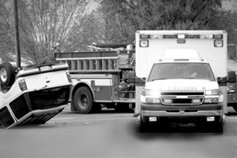
Research from the National Highway Transportation Safety Board shows that inattentiveness, distractibility, slowed reaction times and other impairments are present for four to six hours after heroin use. Driving tests of people who had taken morphine or pharmaceutical-grade heroin showed that they drove slowly with poor vehicle control, they had poor coordination, reacted slowly when something happened in the environment and sometimes fell asleep at the wheel. These effects sometimes depended on how much tolerance the user had to the drug.
Suicide:
A European report stated that about 10% of heroin addicts try to commit suicide over any 12-month period. It further stated that only about half of opiate addicts live longer than 20 years, once they become addicted. In Russia, the life expectancy is seven years or less.
Sources:
- http://www.ncbi.nlm.nih.gov/pubmed/23155614
- http://www.europeaninstitute.org/index.php/ei-blog/58-may-2009/652-heroin-addiction-threatens-russian-future-traffic-driven-by-us-led-war-on-taliban
- http://www.unodc.org/unodc/secured/wdr/wdr2013/World_Drug_Report_2013.pdf
- http://www.drugabuse.gov/publications/research-reports/heroin-abuse-addiction/what-are-immediate-short-term-effects-heroin-use
- http://www.nlm.nih.gov/medlineplus/ency/article/000949.htm
- http://www.ncbi.nlm.nih.gov/pmc/articles/PMC462791/pdf/thorax00347-0069.pdf
- http://www.nlm.nih.gov/medlineplus/ency/article/000123.htm
- http://www.drugabuse.gov/publications/research-reports/heroin-abuse-addiction/what-are-medical-complications-chronic-heroin-use
- http://www.heroinhelper.com/user/health/cotton_fever.shtml
- http://www.drugabuse.gov/publications/research-reports/heroin-abuse-addiction/what-are-long-term-effects-heroin-use
- http://www.ncbi.nlm.nih.gov/pubmed/23700302
 ) on our articles for the most up-to-date and accurate information.